EN
EN
 AR
AR
 BG
BG
 HR
HR
 CS
CS
 DA
DA
 NL
NL
 FI
FI
 FR
FR
 DE
DE
 EL
EL
 HI
HI
 IT
IT
 JA
JA
 KO
KO
 NO
NO
 PL
PL
 PT
PT
 RO
RO
 RU
RU
 ES
ES
 TL
TL
 IW
IW
 ID
ID
 SK
SK
 SL
SL
 UK
UK
 VI
VI
 HU
HU
 TH
TH
 TR
TR
 FA
FA
 AF
AF
 MS
MS
 MK
MK
 BN
BN
 GU
GU
 LA
LA
 KK
KK
 UZ
UZ

आप अपने कई घरेलू परियोजनाओं के लिए उपयोग कर सकते हैं एक विशेष सामग्री पॉलीयूरिथेन फोम है। यह फोम एक प्लास्टिक है जिसे आपके घर के खाली स्थानों में स्प्रे या पोर किया जा सकता है। यह अभिक्रिया करता है और फैलता है ताकि कड़ा फोम बनाए। इसलिए, इसे हवा के रिसाव को बंद करने, दीवारों और छतों को बैठाने या फिर समूह के बाहर की ध्वनि को अलग करने के लिए उपयोग किया जा सकता है।
पॉलीयूरिथेन फ़ोम का उपयोग करते समय आपको ध्यान रखने वाली कुछ महत्वपूर्ण बातें हैं, ताकि आप और उपयोगकर्ताओं की सुरक्षा बनी रहे और वे अपने वांछित परिणाम प्राप्त कर सकें। खुद को फ़ोम से सुरक्षित रखने के लिए नाइट्राइल ग्लोव्स, चश्मा या गूगल्स और मास्क पहनें। फ़ोम धीमे-धीमे बढ़ने का दिखाई दे सकता है, लेकिन आपको आश्चर्य हो सकता है कि यह कितनी जल्दी मिनटों में बढ़ता है और एक साथ बहुत सारे फ़ोम समस्याएं पैदा कर सकते हैं। अतिरिक्त फ़ोम को आसानी से घोला जा सकता है, लेकिन जब यह कड़ा हो जाता है तो इसे हटाना काफी मुश्किल हो जाता है। इसे करते समय, यह सुनिश्चित करें कि आप इसे तारों और गर्म क्षेत्रों पर छिड़काएं नहीं, क्योंकि बचाव छिड़काव आग से सुरक्षित होते हैं।
तो, ये कुछ टिप्स हैं जो आपको पॉलीयूरिथेन फ़ोम का उपयोग आसानी से करने में मदद करेंगी। इस फ़ोम का उपयोग करने से पहले सतह को साफ और सूखा करें। ऐसा करने से धूल बेहतर ढमकती है और फ़ोम क्लीनर फ़ोमर का हिस्सा अपना जादू कर सकता है। बड़े फissures या छेद भरते समय, पहले केवल थोड़ी सी मात्रा में फ़ोम स्प्रेड करें और इसे फैलने दें फिर अगली परत लगाएं। ऐसा करने से फ़ोम को अधिक फूलने से बचाया जा सकता है और जो भी आप काम कर रहे हैं उस पर गड़बड़ी नहीं होगी।
पॉलीयूरिथेन फोम स्प्रे को अपने घर की दीवारों और छत को बचाने के लिए भी उपयोग किया जा सकता है। यह बहुत उपयोगी है क्योंकि यह आपके घर को सर्दियों में गर्म और गर्मियों में ठंडा रखता है। इसे सही तरीके से लगाने के लिए, आप एक विशिष्ट उपकरण का उपयोग कर सकते हैं जिसे इन्सुलेशन गन कहा जाता है, जो फोम को दीवारों या छत के बीच के खाली स्थानों में सीधे डालता है। ऐसा करने से आप एक मजबूत सील प्राप्त करेंगे जो हवा के रिसाव को रोकता है और ऊर्जा और पैसे बचाता है।
पॉलीयूरिथेन फोम को ध्वनि-प्रतिरोध के उद्देश्यों के लिए भी उपयोग किया जा सकता है। किसी कमरे को अधिक शांत बनाने के लिए, आप दीवारों या छत के अंदर फोम स्प्रे कर सकते हैं। यह बाहरी शोर को रोकने के लिए एक ध्वनि-अवशोषण बाधा बनाता है, जैसे कि कारें या लोग बात कर रहे हैं, और आपके घर के अन्य कमरों से भी।
पॉलीयूरिथेन फोम घर पर आपके हाथ लगाने के लिए तैयार हैं, ऐसे किसी भी DIY परियोजना के लिए एक उत्कृष्ट सामग्री है। यदि आपको शुरू कहाँ करना है यह नहीं पता, तो एक सरल चीज जो आप कर सकते हैं, वह है दरवाजों और खिड़कियों के चारों ओर के खाली स्थानों को भरने के लिए फोम का उपयोग करें। यह घर के अंदर के हवा के रिसाव को कम करेगा और आपके घर को अधिक सहज बनाएगा। इसे पाइप को कवर करने, छत या बेसमेंट में छेद भरने या मरम्मत या शिल्प के लिए स्वचालित आकार बनाने के लिए भी उपयोग किया जा सकता है।
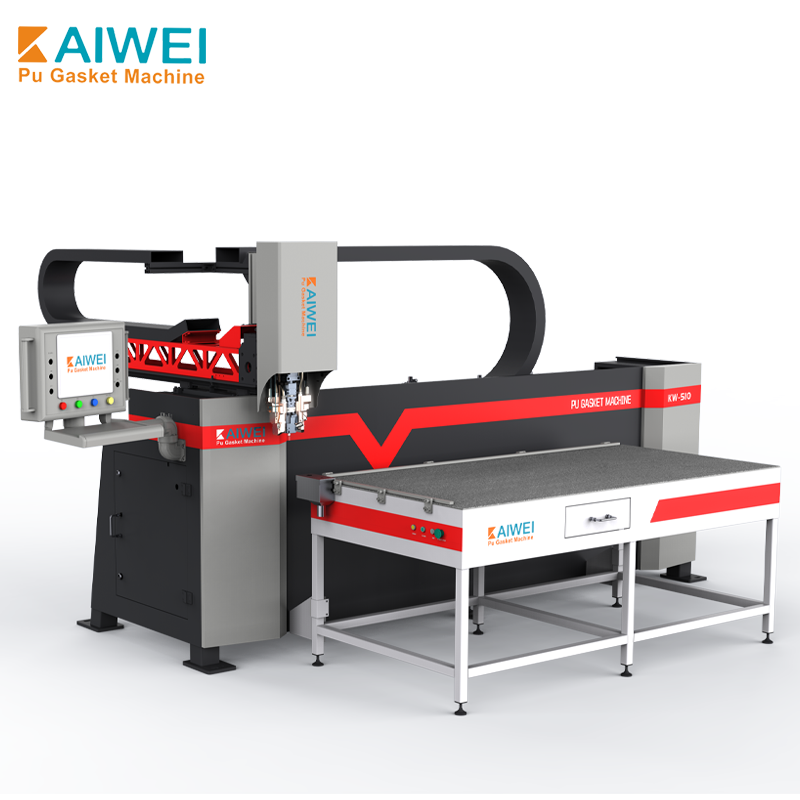
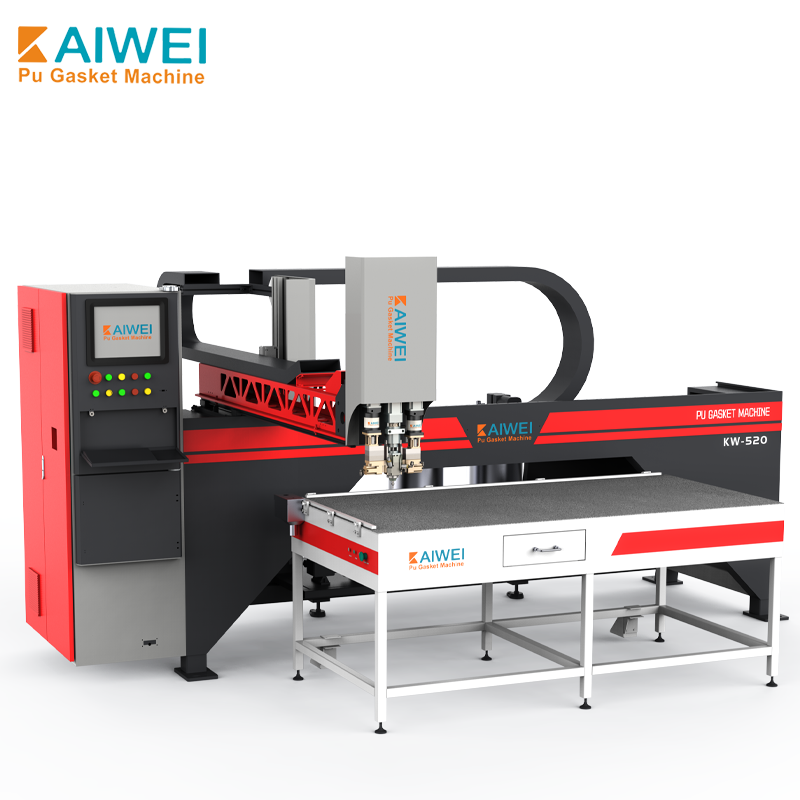
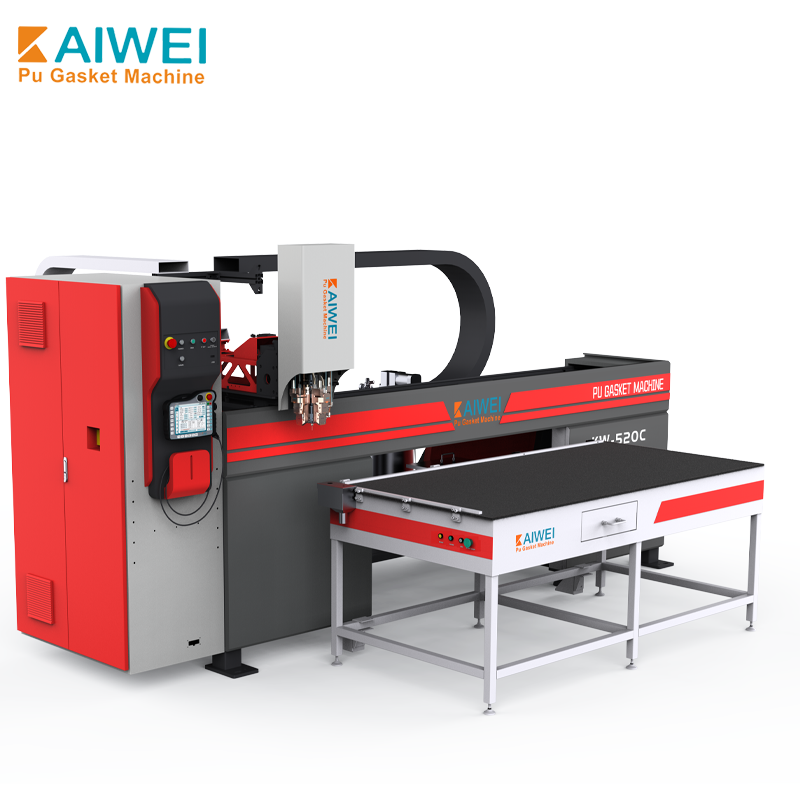
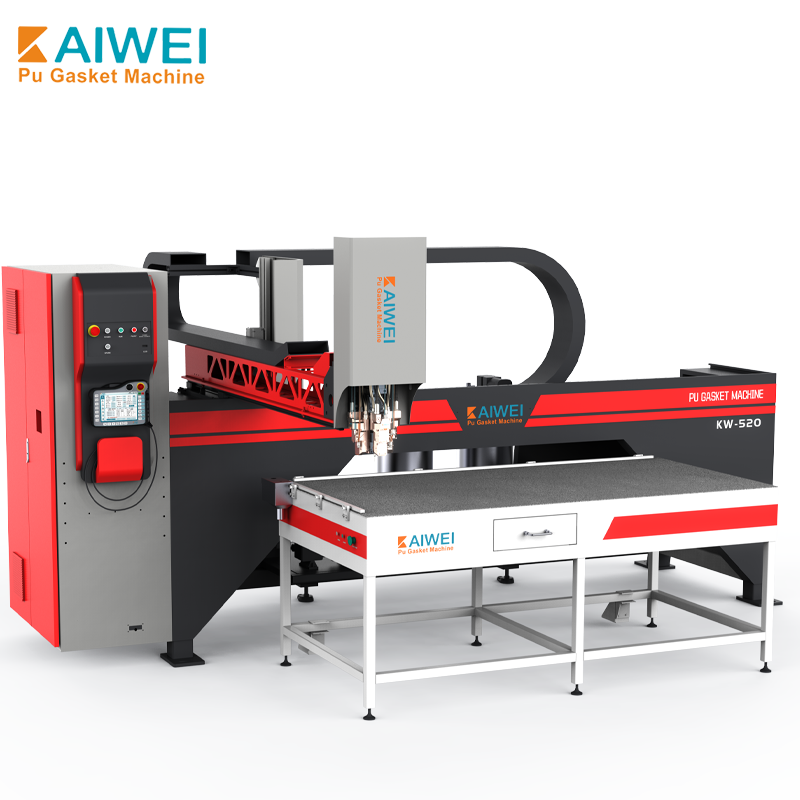
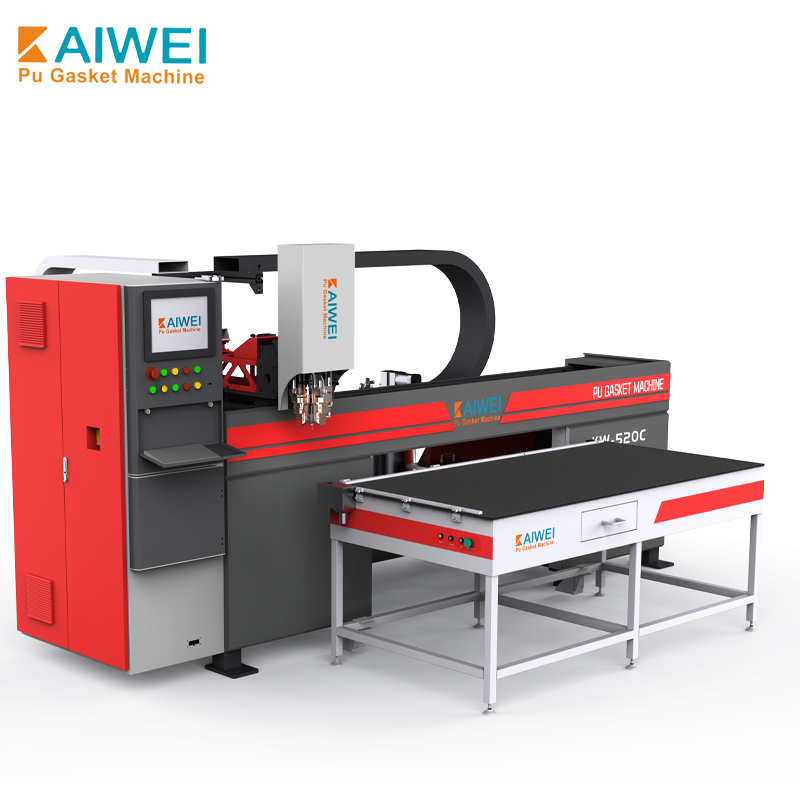
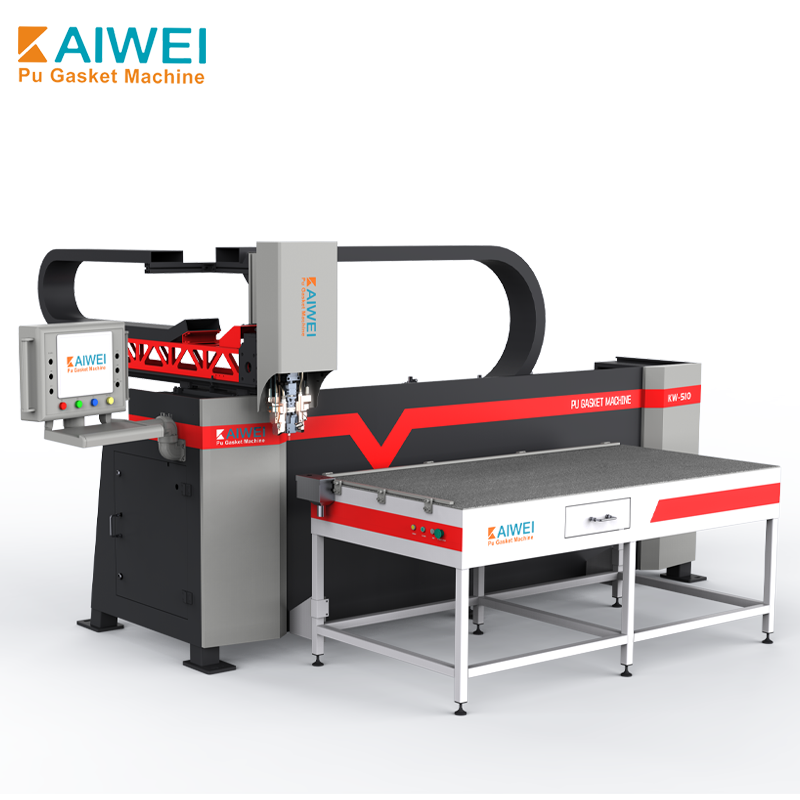
हमारी मशीनों में एक एकीकृत डिज़ाइन का उपयोग किया गया है, जिससे पॉलीयूरेथेन फोम का उपयोग करना आसान हो जाता है; कोई व्यावसायिक संचालन की आवश्यकता नहीं होती है, जिससे कर्मचारियों का कार्यभार कम हो जाता है; उत्पादकता में सुधार होता है। इसका संचालन करना आसान है, शुरुआत करने वाले व्यक्ति केवल 30 मिनट में ही इसका उपयोग शुरू कर सकते हैं, जिससे प्रक्रिया के चरण सरल हो जाते हैं।
हम ऑन-साइट व्यापक उत्तर-विक्रय समर्थन प्रदान करते हैं, साथ ही पॉलीयूरेथेन फोम का उपयोग कैसे करें इस पर एक नवीन ऑनलाइन शिक्षण ऐप भी प्रदान करते हैं। हम उपकरण के रखरखाव, प्रशिक्षण या समस्या निवारण के लिए कर्मचारियों को साइट पर भेजेंगे, ताकि मुद्दों का समय पर समाधान किया जा सके। इसका अर्थ है कि ग्राहक निर्बाध रूप से संचालन जारी रख सकते हैं।
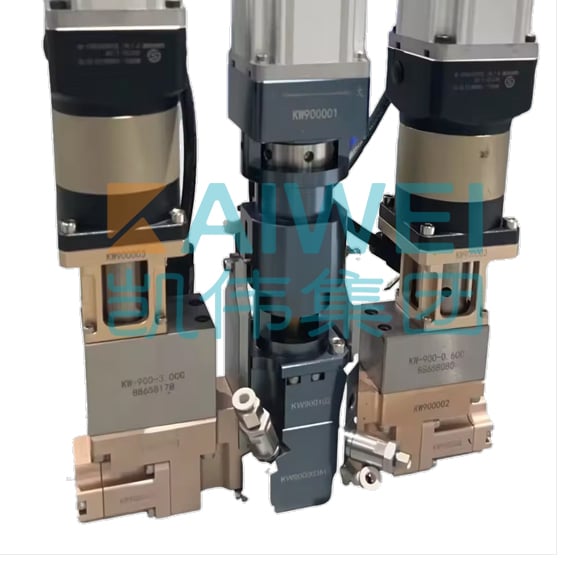
पॉलीयूरेथेन फोम के उपयोग के तरीके वाले सिरों के संयुक्त राज्य अमेरिका में औपचारिक पेटेंट हैं। इन सिरों का उपयोग करते समय कच्चे माल के मापन और दबाव नियंत्रण की आवश्यकता नहीं होती है (जलवायु परिस्थितियाँ वर्ष भर ऐसी होती हैं कि सामग्री के कच्चे घनत्व को मापना असंभव हो जाता है)। अपनी आवश्यकताओं के अनुसार स्क्रीन के पैरामीटर, स्क्रीन का आकार और चिपकाने वाले पदार्थ की मात्रा को समायोजित करें।
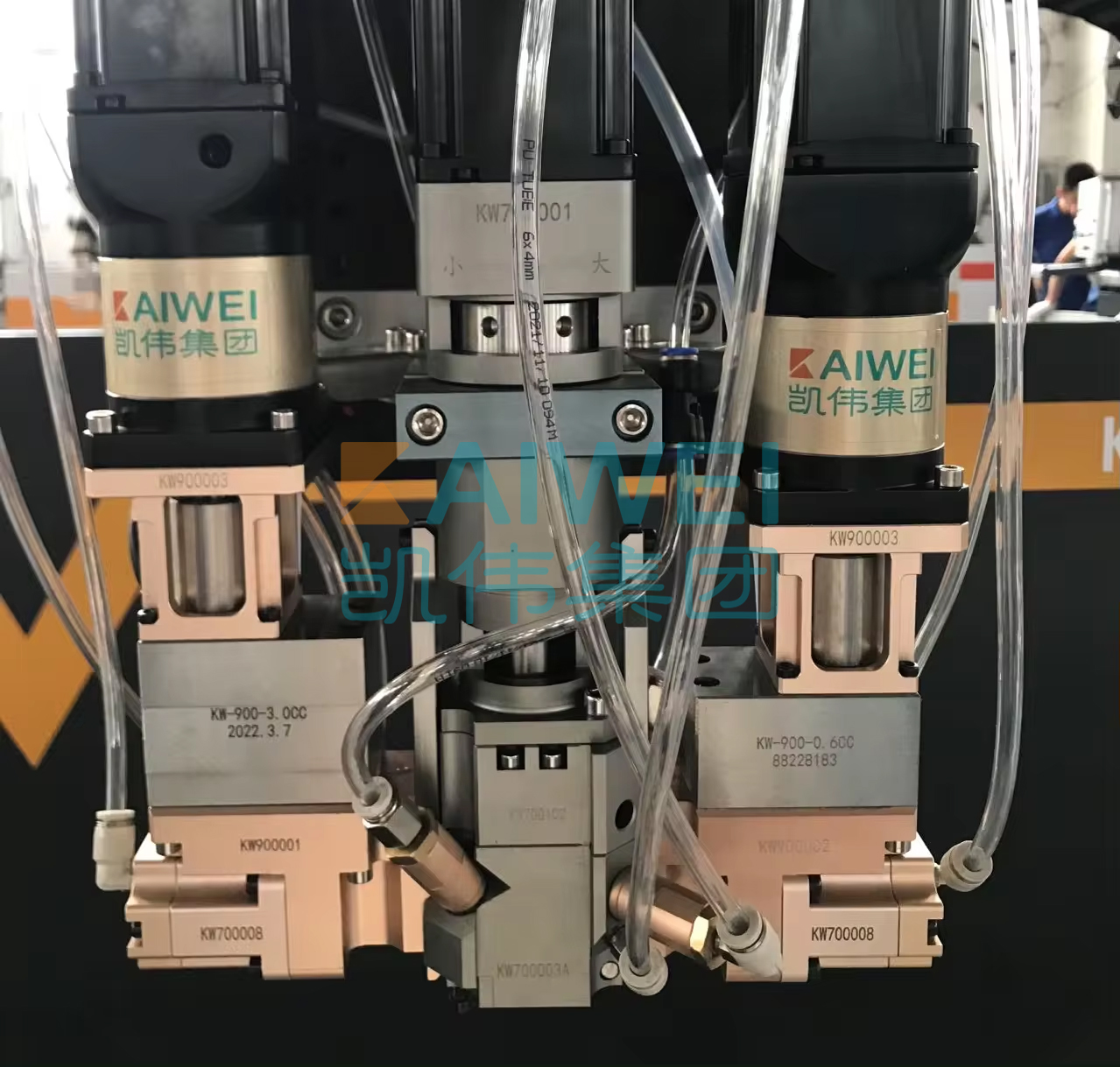
काइवेई का पूर्णतः उपयोग के लिए तैयार पॉलीयूरेथेन फोम 3 अक्षों और 8 मोटरों के साथ आता है। इसमें आठ रिड्यूसर्स और 4 मीटरिंग पंप भी शामिल हैं।

कॉपीराइट © शanghai कैवेई इंटेलिजेंट टेक्नोलॉजी (ग्रुप) कंपनी, लिमिटेड. सभी अधिकार सुरक्षित - गोपनीयता नीति-ब्लॉग