EN
EN
 AR
AR
 BG
BG
 HR
HR
 CS
CS
 DA
DA
 NL
NL
 FI
FI
 FR
FR
 DE
DE
 EL
EL
 HI
HI
 IT
IT
 JA
JA
 KO
KO
 NO
NO
 PL
PL
 PT
PT
 RO
RO
 RU
RU
 ES
ES
 TL
TL
 IW
IW
 ID
ID
 SK
SK
 SL
SL
 UK
UK
 VI
VI
 HU
HU
 TH
TH
 TR
TR
 FA
FA
 AF
AF
 MS
MS
 MK
MK
 BN
BN
 GU
GU
 LA
LA
 KK
KK
 UZ
UZ

Polyurethane foam is a type of specialty foam used in the construction industry; and for producing mattresses, sofas, seat cushions or car seats. A question that a lot of people have been asking is does foam cause cancer? This examination takes a deeper look at the truths and tales behind polyurethane foam, along with its potential link to cancer.
The cancer scare with the polyurethane foam has many stories and myths circulating on it. Well, one thing scientists mention is the lack of any concrete evidence supporting these allegations so far. And the US Environmental Protection Agency (EPA), the body protecting human health and environment, says polyurethane foam is used safely in our homes too. It is why the risk of our lives being in danger due to using products made with this foam only makes limited sense.
To explore whether polyurethane foam or its constituent chemicals are linked to cancer, scientists have conducted a few studies. Another study discovered that inhaling polyurethane foam fumes can cause irritation to the skin and eyes. But it found no evidence that the foam itself causes cancer. Polyurethane Foam/Chemical Focused Study (Study) Another study looked at the chemicals used to make polyurethane foam. For example, some of these chemicals include formaldehyde and benzene which have been linked to increased cancer risk. However, what is crucial to remember: the research did not prove that using polyurethane foam products will increase your chances of getting cancer.
Most people are worried about their polyurethane foam mattresses. Currently there is no scientific evidence that some mattresses really provoke cancer but here are a few thing you should consider when purchasing one. For allergy and asthma sufferers, you would have to make sure that the mattress is carefree from triggered irritants. Which means there is a lesser chance of it causing allergies. While buying a mattress, go for mattresses that are made of natural ingredients like cotton or wool because they are more body-friendly than synthetic ones.
It is equally important to indicate that there are many, various factors which may increase your likelihood of developing cancer. These other factors might include things such as a history of smoking/drinking alcohol and exposure to certain harmful chemicals. However, researchers have yet to find that using products containing polyurethane foam greatly increases a person's cancer risk, though some of the chemicals in this type of plastic may contribute more minor risks.

Living a healthy lifestyle is the ultimate way to lower your risk of getting cancer. That means eating a healthy diet high in fruits and vegetables, exercising to build strength throughout the body, not smoking cigarettes or drinking too much alcohol.
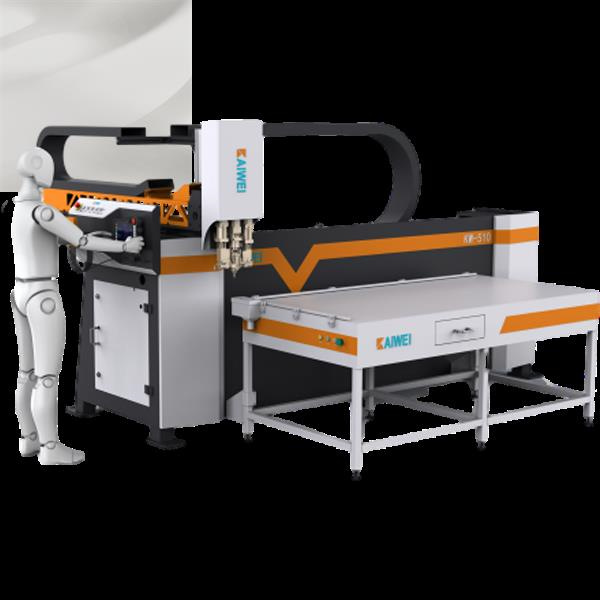
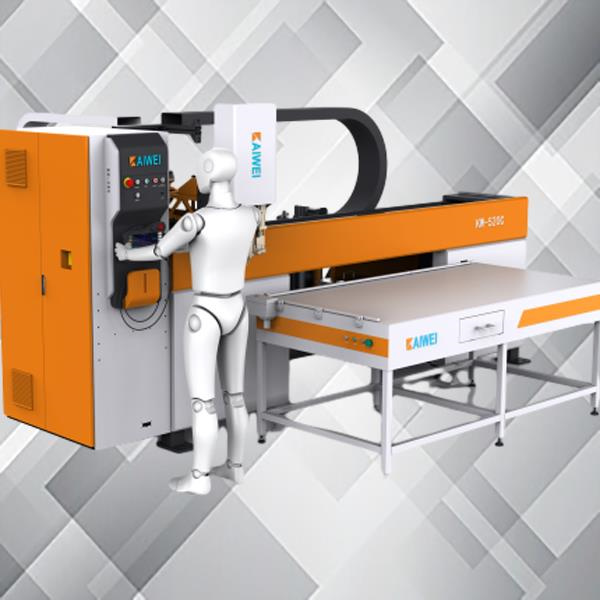
Kaiwei's completely automated foam sealers is does polyurethane foam cause cancer and 8 motors. It also comes with 8 reducers and 4 metering pumps.
There is no need for a professional operation Reduces the load on workers. It is does polyurethane foam cause cancer. Newcomers can start in only 30 minutes.
Our company provides an extensive on-site after-sales service in addition to an does polyurethane foam cause cancer that will further improve the customer experience and ensure satisfaction. We'll bring personnel to site to assist with maintenance, training or troubleshooting to solve issues in a timely time. It ensures that customers are able to continue operating and continue to produce as normal.
The KW-900 hybrid head is protected by patents for nationals inventions. No measurements raw materials, no pressures control (no regular measurement of raw material density because of seasonal climate changes). The quantity of the size of glue spit as well as the system's screens parameters can be changed at any time to does polyurethane foam cause cancer. The raw materials aren't changed, the proportions of raw materials not changed, and there is no weighing measurement should be manually weighed prior to every uses. No requirement for a cooling rooms.

Copyright © Shanghai Kaiwei Intelligent Technology (Group) Co., Ltd. All Rights Reserved - Privacy Policy - Blog