EN

The choice of an appropriate polyurethane foam spray machine is crucial decision that can significantly influence success of a project in terms of quality, efficiency, and profitability. There are several different types of machines, all of which have certain capabilities, output ranges, and specific applications, so it is important to know which machine to use for each specific construction project. With 20+ years of experience in intelligent sealing and dispensing systems, at KAIWEI Technology Group we offer wide range of solutions to address all types of construction requirements. This is complete step-by-step information to select appropriate spray foam machine for project.
1. Matching Output Capacity to Project Scale
The most basic selection criteria are capacities (kg/m), which can be expressed in kilograms per minute. This is one of the most important parameters as it has to do with the rate at which project can be finished and if continuous operation is possible without machine overheating.
Machines output of 1-3 kg/min will suffice for small repair work and details. They are great for sealing gaps, filling cracks and when there are problems with insulation in one particular area. For residential or mid-size projects, such as single family home insulation or small commercial spaces, 3–8 kg/min is the right amount to ensure both speed and control. Industrial insulation installations are achieved in large quantities with 8-15+ kg/ min output in combination with high continuous runtime capability, such as in warehouses, cold storage rooms, commercial roofing and other large-scale industrial insulation projects. Our equipment ranges at KAIWEI have been created with various applications in mind so that you will have right capacity to work on each project!
2. Hydraulic vs. Electric vs. Pneumatic Drive Systems
The performance, portability, and operating conditions are greatly influenced by the drive system. There are unique benefits to each type for various construction situations.
Hydraulic machines are capable of highest output (10-20 kg/min) and operating pressure (120-180 bar) and are used in large cold rooms, warehouses and in continuous production. But they need 30 to 60 KW three-phase power and noise is maximum among all. Electric machines are capable of quiet operation (60-70 dB), moderate output (5-15 kg/min) and are best suited to mid-size projects which are carried out indoors where noise is problem. Air driven (pneumatic) machines are suitable for small repairs, retrofit and remote location (no 3-phase power) and have low investment costs, and output is 3-8kg/min, making them most portable machines. At KAIWEI we can supply you with drive system that will suit scale and conditions of project you are working on.
3. Heating Performance and Temperature Control
The viscosity of spray foam materials can change drastically when temperature changes. Lack of or inadequate heat causes inefficient spray patterns, density differences and ratio control instabilities that reduce quality of insulation.
Find a machine that has independent heating zones, digital temperature control and constant output temperature in event of long hosing. This means that, for cold weather projects, stronger heating and improved hose insulation is critical. High quality systems usually have primary heaters and heated hoses which will keep chemical temperatures at 110F-180F (43C-77C) from machine to spray gun. KAIWEI equipment has precision temperature control systems, which means material properties are guaranteed to remain consistent, even in varying climate conditions, guaranteeing reliability of foam quality on each job site.
4. Material Compatibility and Application Versatility
Polyurethane formulations vary, depending on application in which they are used. Check compatibility of insulations and protection machines if you need to use both .
Moderate pressure systems can be used to apply PU foam in building insulation, roofing and cold storage applications. The waterproofing, tank lining and industrial flooring applications using polyurea coatings have an extremely high pressure equipment (up to 350 bar) and requirement for precise ratio control. There are some machines that can be used for dual use, but in order to do so more precise metering is needed, combined with higher heating power and more powerful pressure systems. KAIWEI offers systems that offer up to 10:1 ratio control, giving flexibility with various material formulations and requirements for applications.
Conclusion
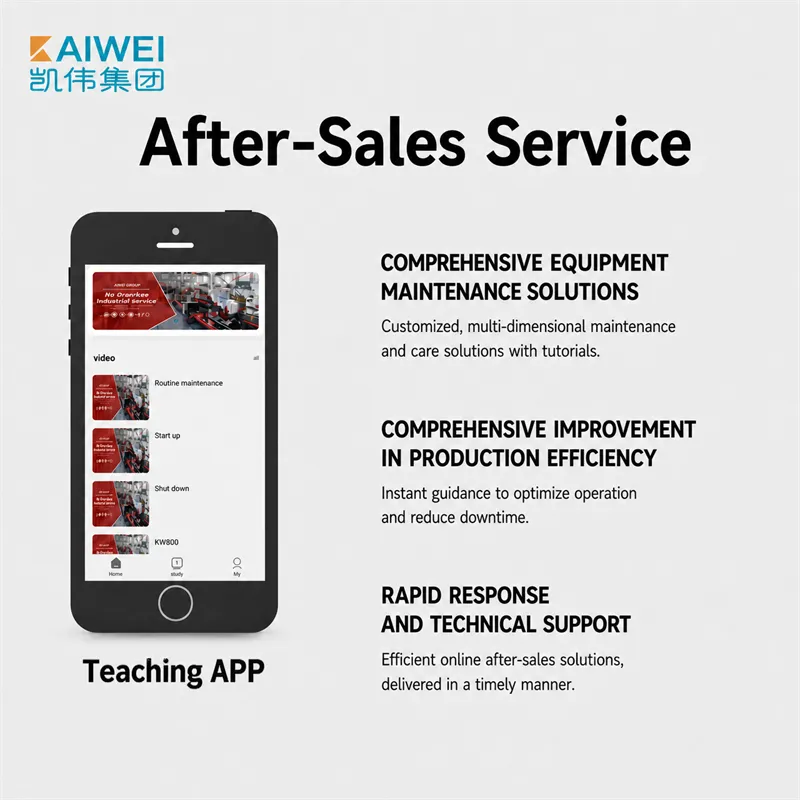
When selecting a polyurethane foam spray machine, it is important to consider factors such as size of the job, environmental conditions, and specific type of materials being sprayed. This ensures that product achieves same output consistency, drive system, heating performance, and material compatibility, maximizing your return on investment, while minimizing product waste and ensuring appropriate quality. Equipped with international certifications and full after sales support, KAIWEI Technology Group's equipment is specially designed to satisfy various demands of construction industry. Collaborate with us to choose perfect solution for your next project.