EN

When using a foam application like polyurethane, it is necessary to have uniformity in the product produced by having to control several variables, including adjusting the pressure. If the pressure is set too high, poor mixing can occur, as well as uneven cells, streaking and poor insulation performance. If set too low, there will be insufficient mixing and the cells will not be filled completely. As a company that has been in the business for more than 20 years, KAIWEI Technology Group has a good grasp of the science of optimizing pressures in sealing and dispensing systems. Let's see how proper pressure adjustment helps achieve uniform foam quality.
1. Understanding the Impact of Pressure on Foam Quality
The pressure makes a direct impact on the thoroughness of the mixing and atomization of the two chemical components, isocyanate (A-side) and polyol (B-side) when they are sprayed. Under low pressure, there will be inadequate atomization, leading to larger droplets, streaking or discoloration and off-ratio application, which will allow one component to be the predominant one. The foam may not cure properly, may stick to the surface, and it will not provide as much coverage area.
On the other hand, too much pressure results in overspray and bounce back, loss of material, poor spray pattern control and a rapid deterioration of spray pattern control equipment. The higher the pressure, the greater its productivity, but for residential use, the range of 1000-1200 PSI is usually optimal, and for commercial use, it may be desirable to use 1300-1500 PSI for larger areas to keep productivity high. By adjusting the pressure properly, the fine and homogeneous foam cells with a diameter of 150-300 micrometers are obtained, which provide excellent thermal insulation properties.
2. Balancing A and B Side Pressures
For most of the professional foam spray systems there is a need for the isocyanate and polyol pressure to be balanced. The usual goal of the typical systems is to forgo a differential between the two sides of not more than 200 PSI. Modern machines have two pressure gauges that are connected to both sides in order to ensure that both sides are balanced.
If independent pressure adjustment is available, slight adjustments might be required due to the differences in the viscosity of the chemicals being utilized, especially with special foam formulations and/or at extreme temperatures. The KAIWEI equipment guarantees a balanced pressure from 1:1 to 10:1 ratio with a repeatable accuracy of ±1%, with the help of the Germany BARMAG high accuracy metering pumps (HT-320 series). This guarantees a consistent and uniform foam.
3. Calibration and Testing Procedures
To set the pressure correctly, there needs to be a systematic approach to setting up and adjusting the pressure of the machines. The recommended process begins by following manufacturer's recommended processing pressure and foam formulation (from the bottom end of the recommended range).
Evaluation of pattern of spray, color uniformity and initial curing can be done by conducting test spray over a disposable surface. Increments of the pressure are made until the optimum is reached. Cup tests are used to ensure correct mixing ratios before full-scale application, by collecting dispensed material to test correct color and consistency of the material. The test section should be sprayed to test for even rise, consistent cell structure and proper curing, and pressure gauges should be monitored during the spraying to make sure that the pressure is stable.
4. Environmental Factors and Ongoing Monitoring
The pressure requirements are greatly influenced by environmental conditions. The viscosity of materials is affected by changes in temperature, colder materials will need more pressure for a good flow and atomization, and hot materials will need less pressure to avoid overspray. KAIWEI equipment provides precision temperature control systems which can keep the chemical temperature within the range of ±2℃, even though the ambient temperature varies.
Routine accuracy checks of the pressure gauge against a calibrated pressure gauge, hose checks for wear or kinks and component checks to ensure the components of the pump are in good condition can help identify pressure-related problems before they impact the quality of the application. After-sales service is also a top priority at KAIWEI with our "Kai Yixue" mini-program and training at our factory, which guarantees that your foam equipment is optimally set up with the right pressure for every project, resulting in a uniform foam all the time.
Conclusion
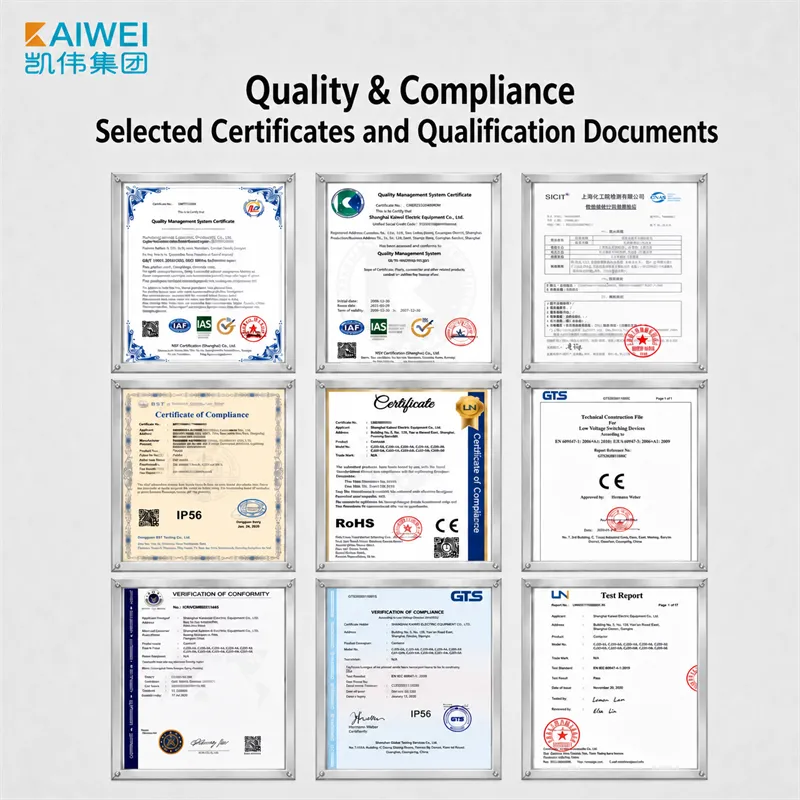
For polyurethane spray applications it is imperative that pressure is adjusted properly to ensure a good uniform foam quality. Knowing the effect of pressure, balancing pressures on both sides of the foam, carrying out the necessary systematic procedures for calibration, and monitoring the environment, the operators can always obtain high-quality foam with excellent thermal insulation from the process. The precision pressure control and international certification (CE, ATEX, ISO 9001:2015) of our equipment guarantees reliable and uniform results, at KAIWEI Technology Group. Collaborate with us to get the right machinery and know-how to produce foam with the best quality.